Long Walk Home
Mostra Exhibition
Pass
Biglietto intero / Season ticket
Biglietto ridotto / Reduced-price
Visita guidata con l'Art Director Manila Camarini
Guided Tour with the Art Director Manila Camarini
12 Sabato Saturday Settembre September
Partenza da Spazio Censi, Corso Perticari 34
Visita guidata con Alice Butti
Guided Tour with Alice Butti
27 Domenica Sunday Settembre September
Partenza da Spazio Censi, Corso Perticari 34
Sul Progetto On the Project
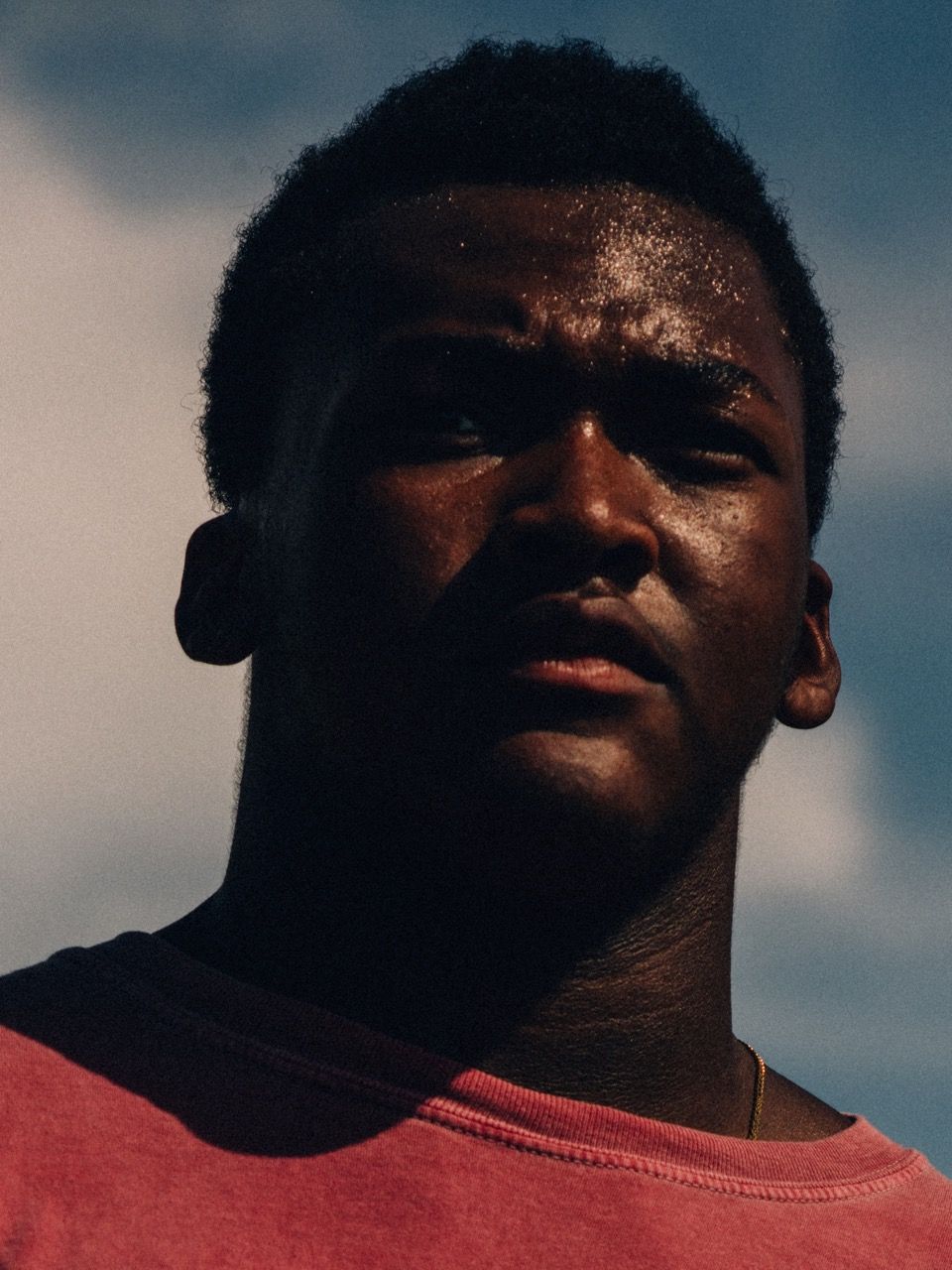
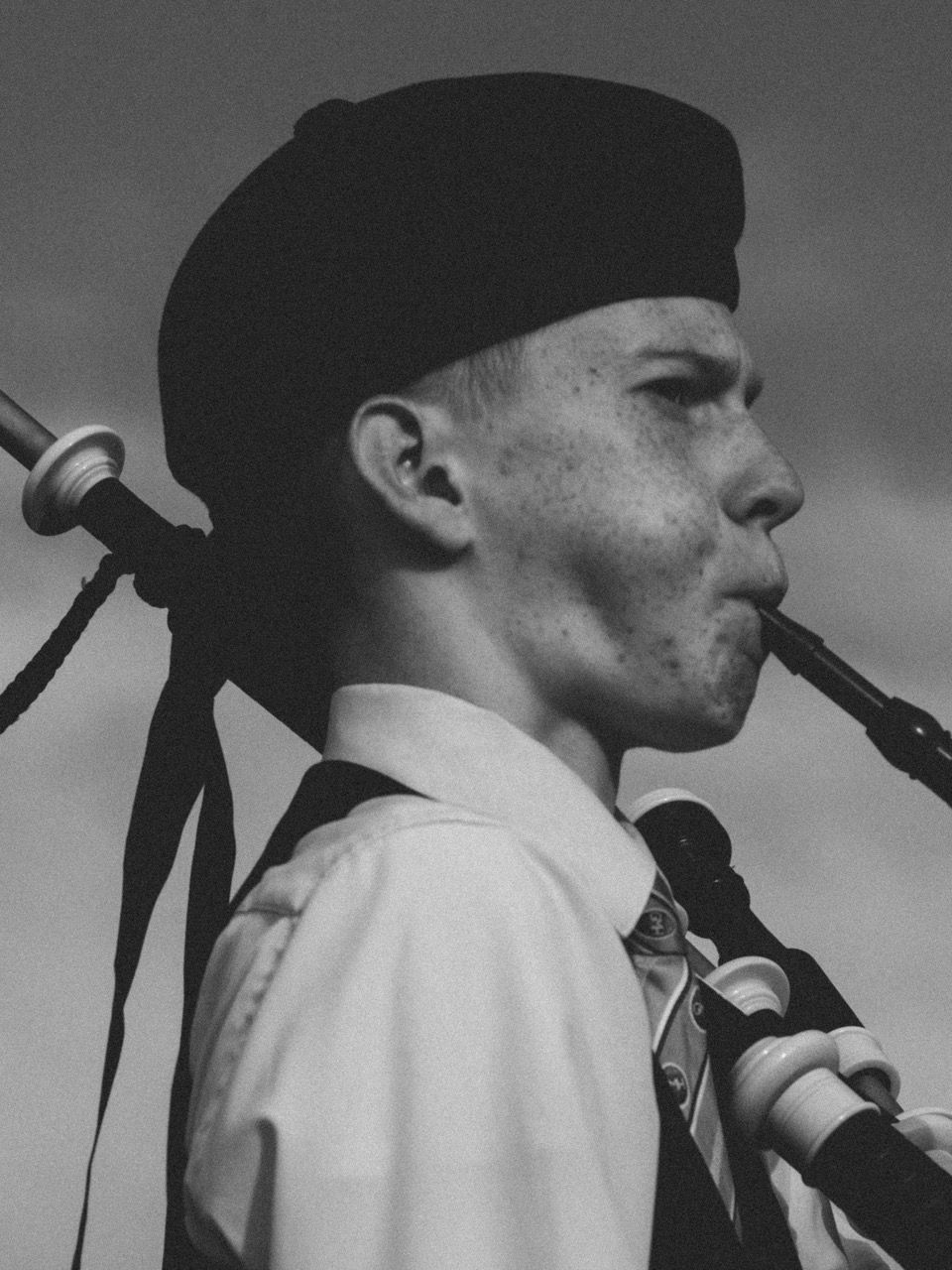
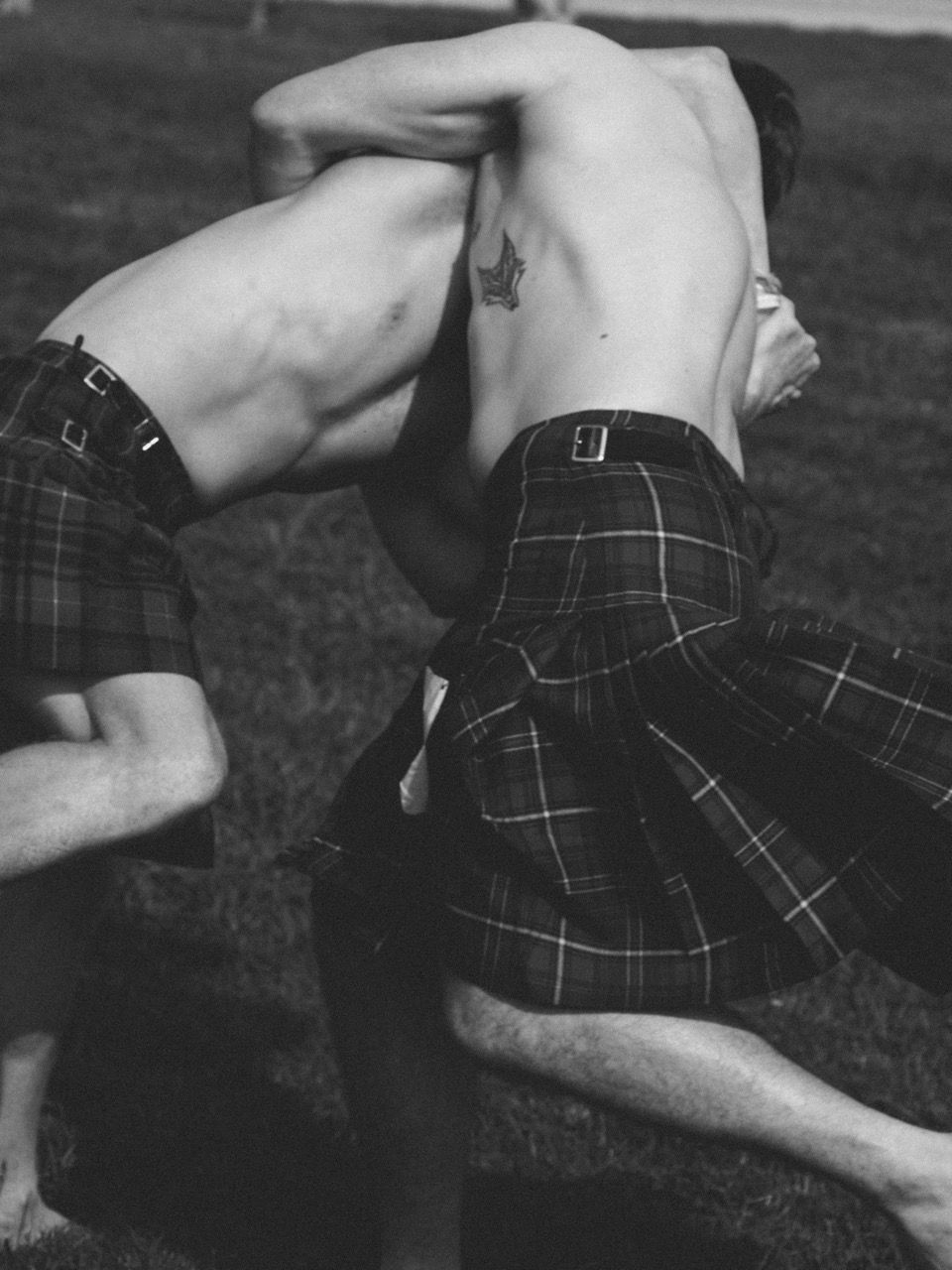
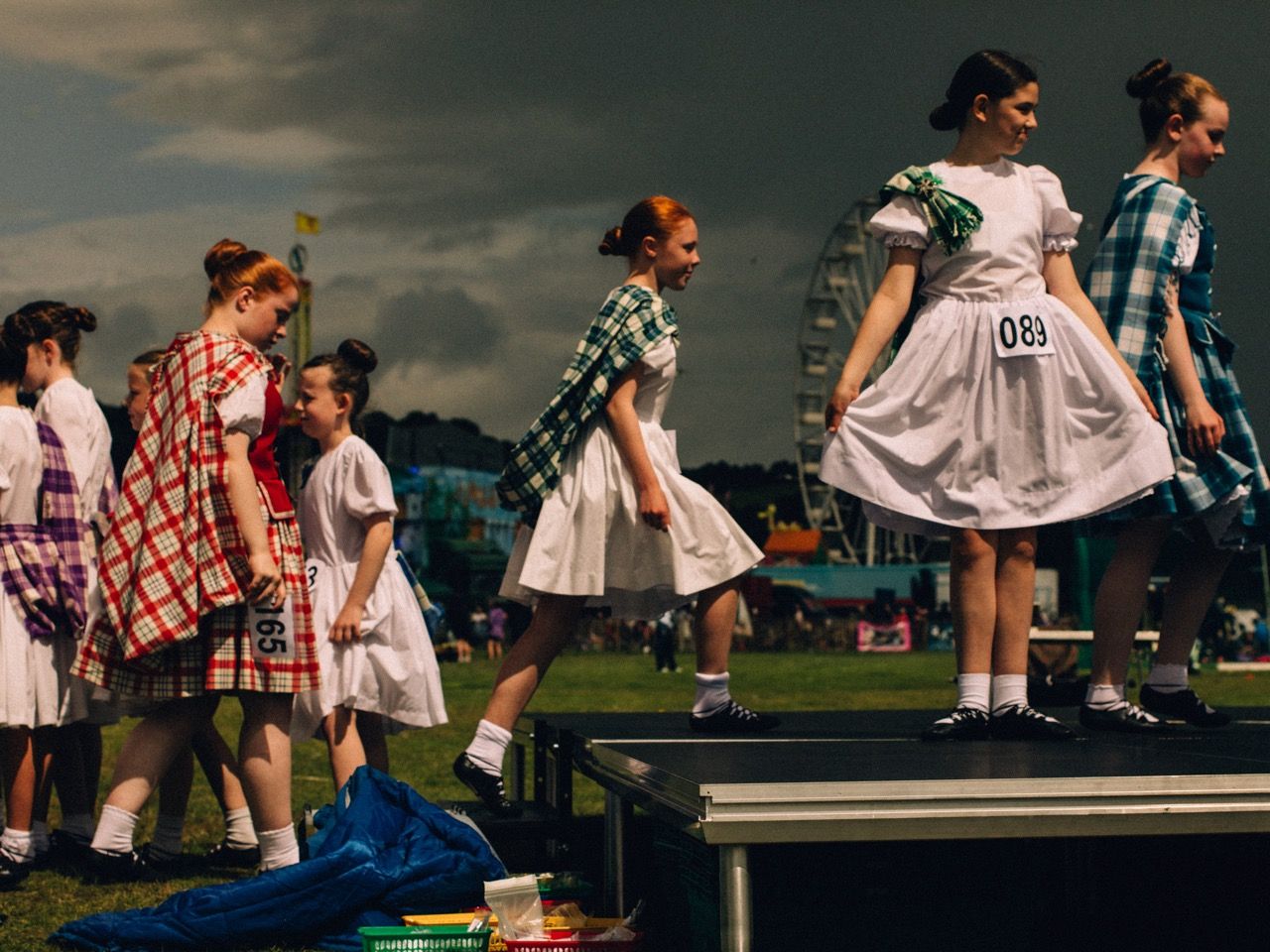
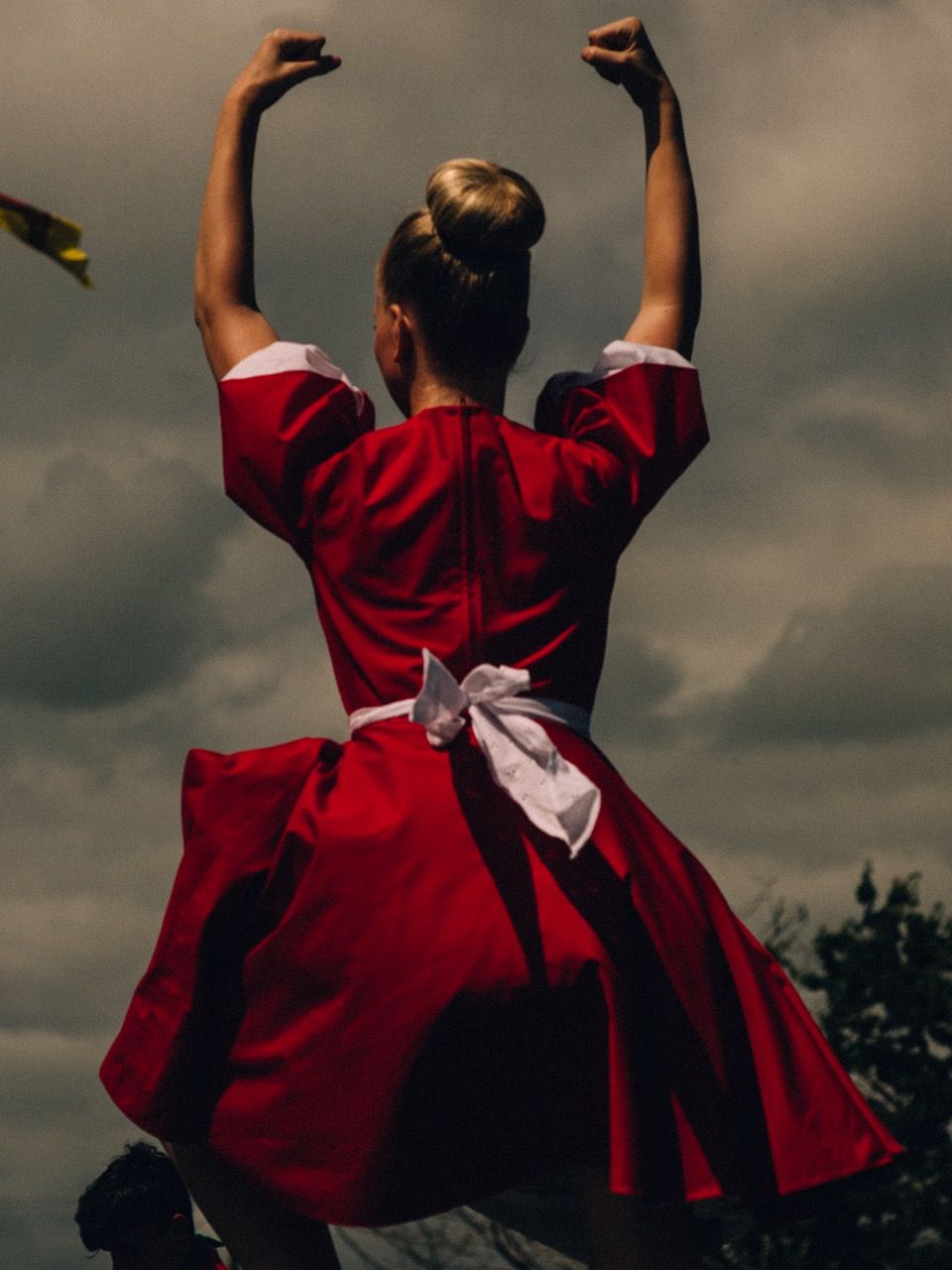
Per cinque anni Robbie Lawrence ha attraversato la sua Scozia e gli Stati Uniti con un obiettivo preciso: cercare il significato degli Highland Games, manifestazioni a metà tra sport e folklore che si celebrano ogni anno in Scozia e nelle comunità scozzesi di altri Paesi. «Gli Highland Games mi sono sempre interessati, non solo da un punto di vista visivo» ha scritto, «ma anche per riflettere su come la storia condizioni l’identità moderna di noi scozzesi. In fin dei conti, gli Highland Games restano il torneo sportivo di una comunità. Ogni evento che ho fotografato, su un prato polveroso di Denver come in un parco comunale di Burntisland, è in sostanza un ritrovo di amici e parenti che vogliono godersi sport, balli e musica in compagnia. All’inizio non vedevo molto oltre ai miti artificiosi e al nazionalismo spesso associati agli Highland Games. Cercavo di documentare quelle manifestazioni in modo oggettivo, ma non riuscivo a spiegarmi cosa provavo. Poi ho buttato via anni di lavoro e ho ricominciato da capo.» Nasce da questo punto di partenza Long Walk Home, serie diventata un elegante libro in due volumi che si confronta con la miriade di storie inventate che circondano le versioni moderne degli Highland Games. In uno splendido saggio contenuto nel secondo volume, il poeta John Burnside spiega come gli abitanti della Scozia e la diaspora scozzese abbiano rimodellato quelle manifestazioni per adattarle alle loro esigenze culturali. Il mito si è mescolato alla storia. «Non abbiamo bisogno di essere nati in un luogo – non abbiamo nemmeno bisogno di averlo visto – per entrare nella sua mitologia, perché i miti non sono storici. I miti sono elettivi» scrive Burnside. «La storia è ciò che ci colloca al nostro posto, ci vincola alle norme sociali, alle convenzioni e ai limiti. I miti ci lasciano vagare, fanno spazio all’immaginazione, alla reinvenzione, a un senso di appartenenza che non deriva dal nome di un clan né da un certificato di nascita. Ormai in gran parte del mondo, Scozia inclusa, l’identità scozzese è tanto mito quanto storia, il che significa che dobbiamo custodirla con cura, raccontarla per bene e, più di ogni altra cosa, amarla in modo intelligente.» Aggiunge Lawrence: «Ad alcuni lo sfarzo ostentato degli Highland Games può sembrare una bizzarria o, peggio ancora, un atto acritico di nostalgia per una Scozia vittoriana mai esistita. Ma che si tratti di mito o di storia, i partecipanti e le comunità a bordo campo traggono gioia dall’identità scozzese».
For five years, Robbie Lawrence travelled across Scotland and the United States with a specific aim: to explore the significance of the Highland Games, events combining sports and folklore, that are held every year in Scotland and in Scottish communities abroad. “The Games as a subject has always interested me, not just visually,” he wrote, “but also as a vehicle for considering how we as Scots allow history to inform our modern identity. Ultimately the Highland Games remains a community sports tournament. Every event I photographed, whether on a dusty sports field in Denver, or at the local park at Burntisland, is at its core a coming together of friends and family to enjoy sports, dance and music. At first I struggled to look past the myth-making and nationalism often espoused in the Games. I was trying to document these events objectively, without clarifying with myself how I felt about them. Eventually I threw out years of work and started again.” This was the starting point for Long Walk Home, a series turned into an elegant two-volume book which engages with the myriad of fabricated ideas surrounding the modern Highland Games. In a wonderful essay in volume two, poet John Burnside teases apart the threads of how Scots and the Scottish diaspora have remoulded the form of the Games to suit their cultural needs. “We do not need to be born in a place – we do not even need to have seen it – to enter into its mythology, because myths are not historical. Myths are elective” writes Burnside. “History is what sets us in our place, binding us to social norms and conventions and limits; myths let us roam, they make space for the imagination, for re-invention, for a sense of belonging that is not conferred by a clan name, or a verified birth certificate – and by now, in much of the world, including Scotland, Scottishness is as much myth as it is history, which means that we must guard it carefully, retell it beautifully and, more than anything else, love it wisely.” And Lawrence adds: “To some people the pageantry of the Highland Games may look quaint, or worse, uncritically nostalgic for a Victorian notion of Scotland that never was. But the people taking part, and their communities watching from the side lines, whether myth or history, find joy in Scottishness.”
Sull'Artista On the Artist
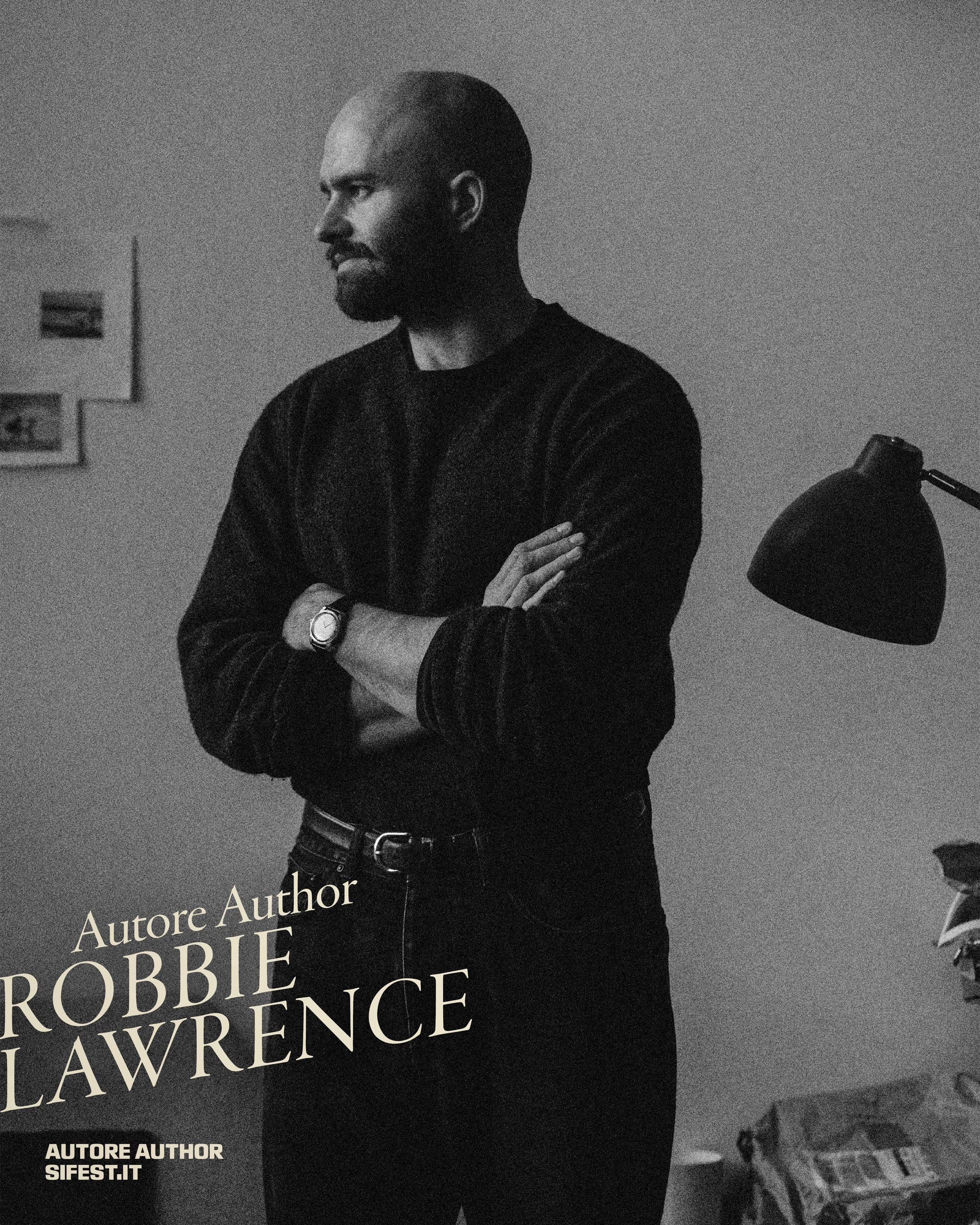
Robbie Lawrence (Edimburgo, Regno Unito, 1988) è un fotografo e regista noto per lo sguardo raffinato e l’approccio narrativo, che lavora tra fotografia documentaria, ritratto e moda unendo sensibilità emotiva e attenzione ai dettagli. Le sue immagini raccontano l’esperienza umana attraverso temi come luogo, identità e appartenenza. Il suo stile abbina osservazione giornalistica e ricerca atmosferica, con un equilibrio tra realtà e astrazione. Tra i suoi progetti più importanti, oltre a Long Walk Home, figurano A Voice Above the Linn, Blackwater River e MANN, dedicato alla pericolosa e poco documentata gara motociclistica dell’Isola di Man. Tra le collaborazioni: Adidas, Cartier, Hermès, «The New York Times», «TIME» e «Vogue».
Robbie Lawrence (b. 1988, Edinburgh, UK) is a director and photographer known for his refined eye and narrative driven approach. Working across documentary, portraiture, and fashion, he brings together emotional sensitivity and attention to detail. His images centre the human experience, through themes such as place, identity, and belonging. His style combines journalistic observation and atmospheric exploration, balancing between reality and abstraction. In addition to Long Walk Home, his most significant projects include A Voice Above the Linn, Blackwater River, and MANN, which documents the dangerous and under-recorded Isle of Mann motor race. Clients include Adidas, Cartier, Hermès, The New York Times, TIME, and Vogue.